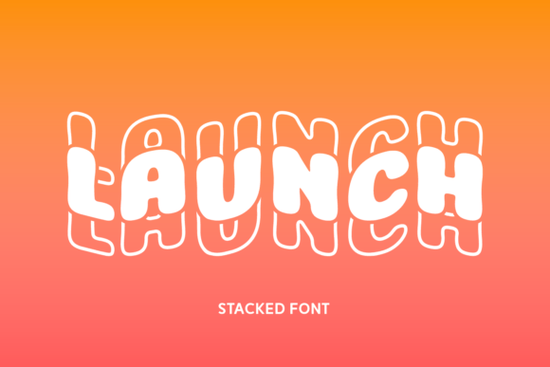
If you need a typeface that instantly grabs attention without feeling rigid, Launch Font delivers a stacked, wavy structure that moves across the page. Instead of straight lines and sharp corners, each character is built from undulating strokes that layer on top of one another. This creates a fluid, ribbon-like rhythm that works especially well for designers, print-on-demand sellers, and small business owners who want their headlines to feel alive. You can review the full file package and licensing details for Launch Font directly on Creative Fabrica.
What makes this wavy typeface stand out?
Most display fonts rely on heavy weight or extreme contrast to make an impact. This one uses stacked wave patterns to create depth. The overlapping lines give each letter forward motion, which helps your titles feel energetic rather than static. Because the waves are built into the glyph shapes, you do not need to add extra textures or warp effects in your design software. The spacing is also tuned for readability at larger sizes. While highly decorative fonts often sacrifice legibility, the clear character boundaries here keep words recognizable even when you stretch them across a poster. Crafters working with vinyl cutters will appreciate that the continuous strokes translate cleanly to cutting paths.
Where does it work best in real projects?
This style shines when you give it room to breathe. It is built for short phrases, brand names, and product labels rather than body copy. Here are a few practical applications:
- Print-on-demand apparel: Centered chest graphics where the wavy rhythm matches casual branding.
- Digital storefronts: Shop banners and sale announcements that need a friendly but bold presence.
- Event materials: Festival posters and workshop flyers that benefit from a playful feel without messy brush strokes.
- Social templates: Quote graphics and reel covers where the stacked lines create instant visual hierarchy.
Treat this as your accent typeface. Pair it with a clean sans-serif for descriptions and pricing so the wavy letters remain the focal point.
How do you pair it with other display styles?
Finding the right combination depends on your project mood. If you are aiming for a team-oriented aesthetic, you might browse options like bold squad-style lettering to ground the layout with solid shapes. For vintage nostalgia, mixing in retro eighties display type creates a fun contrast between geometric nostalgia and organic waves. When your design calls for something softer, testing smooth flowing scripts alongside the stacked waves often produces a balanced look. For fitness brands, pairing it with athletic block letters keeps the composition sharp. You can also experiment with streetwear-inspired typography when you need a contemporary edge that still lets the wavy characters lead.
What should you check before adding it to your toolkit?
Before you commit to any decorative typeface, run through a quick practical review. Verify that the download includes both OTF and TTF files, since some design platforms handle them differently. Review the commercial license terms carefully to confirm your specific use case falls within the standard agreement. Testing is just as important. Type out your actual brand name before finalizing the layout. Decorative fonts can behave differently depending on letter combinations, and you want to spot any awkward spacing early. Adjust tracking slightly if needed, but avoid distorting the proportions. The stacked design relies on its original vertical rhythm, and stretching it horizontally will flatten the effect.
Quick setup checklist before you export:
- Install both file versions and restart your design app to prevent caching glitches.
- Set your headline size between 48pt and 96pt for optimal wave visibility.
- Keep line length to three words or fewer to maintain readability.
- Pair with a neutral sans-serif for all supporting text.
- Export a test mockup at 100% scale to check how the strokes render on your final material.
Start with a single hero graphic, see how the rhythm translates to your medium, and adjust your spacing before rolling it out across the rest of your project.
Get Started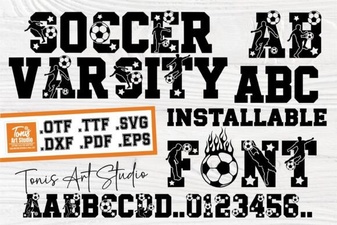 Ab Soccer Font: Design & Diy Jersey Ideas
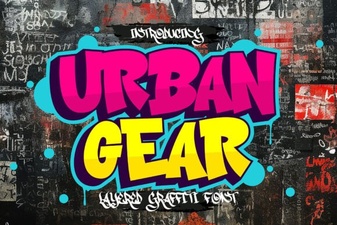 Urban Gear Font: Design Style for Modern Projects
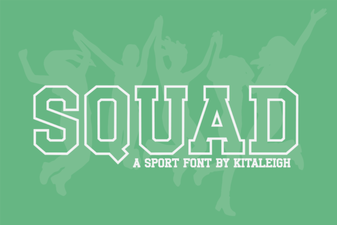 Squad Font: Enhance Designs with Unique Typography
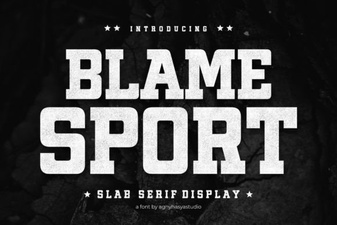 Blame Sport: a Bold Font for Creative Projects
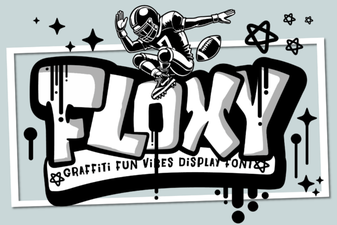 Floxy Font: Creative Ideas for Typography Projects
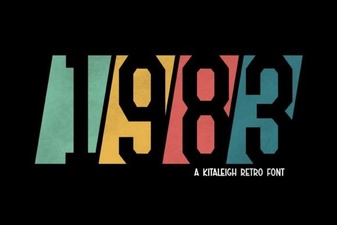 Classic 1983 Font for Modern Digital Design