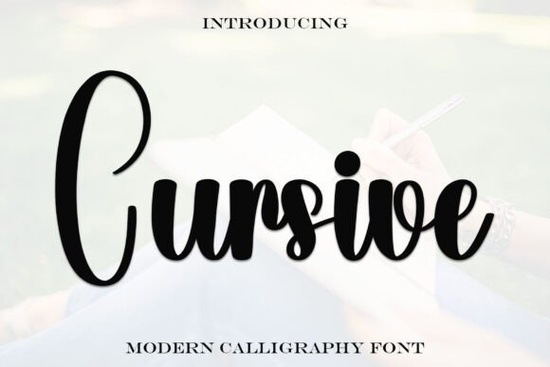
If you are looking for a typeface that feels both personal and polished, Cursive Font delivers exactly that. This trendy handwritten style brings a contemporary atmosphere to the table while keeping the clean structure of classic calligraphy. Designers, crafters, and print-on-demand sellers often struggle to find script typefaces that balance readability with genuine elegance. This one solves that problem by offering smooth strokes that work reliably across digital layouts and physical prints.
What makes this handwritten typeface stand out?
Many script fonts sacrifice clarity for style, but this design keeps both in check. The letterforms follow a natural flow, mimicking the way a practiced hand moves across paper. You will notice consistent baseline alignment, which prevents the text from looking messy in longer phrases. The modern spacing and relaxed curves keep it feeling fresh rather than dated. For small business owners creating branding materials or hobbyists designing event invitations, that balance matters. You get the warmth of handwriting without the visual clutter that often comes with overly decorative scripts.
The character set includes well-crafted uppercase and lowercase letters, standard punctuation, and numerals. This means you can type out quotes, product names, or short descriptions without running into missing glyphs. Having a complete set saves hours of troubleshooting when you need a typeface that handles both display headlines and supporting text.
Where does a flowing script work best?
Handwritten styles thrive in projects that need a personal touch. Here are a few places where this design consistently performs well:
- Print-on-demand merchandise: Tote bags, mugs, and apparel featuring short quotes look polished when the lettering feels intentional.
- Event stationery: Invitations, place cards, and thank-you notes benefit from the calligraphy influence without looking stiff.
- Social media graphics: Instagram quotes and Pinterest pins grab attention when the typography remains readable on small screens.
- Small business packaging: Product labels and shop banners stand out when the script complements a clean layout.
Because the strokes are balanced, the typeface scales nicely. You can use it for a large banner or shrink it for a product label, and the details will still hold up. Just remember to leave breathing room around the letters. Scripts need space to show their natural connections, so tight tracking usually works against them.
How do I pair it with other typefaces?
Pairing a flowing script with the right companion font keeps your design balanced. Let the handwritten style take the spotlight while a simpler typeface handles the heavier reading load. If you enjoy softer, romantic vibes, you might explore options like Mila Love for accent text that shares a similar hand-drawn feel. For seasonal projects or playful branding, checking out Jolly Vibes Bold can give you a thicker alternative that contrasts well with lighter scripts. If your work leans toward modern minimalism, White Picket Fence offers a refined look that sits comfortably alongside elegant lettering. When you want to experiment with different handwritten moods, Bingsu brings a relaxed energy that pairs nicely with formal calligraphy styles. You can also browse the full collection of script typefaces to find complementary weights that match your specific project needs.
What should I check before downloading?
Before adding any font to your workflow, verify a few practical details. First, confirm the file formats. Most modern design software supports .OTF and .TTF files, but some cutting machines may require specific versions. Second, review the licensing terms carefully. Personal use licenses work for practice and hobby projects, but commercial work usually requires an upgraded license. If you plan to sell physical products or client designs, make sure your license covers those activities.
Installation is straightforward on both Windows and Mac systems. Once the files are extracted, a double-click opens the preview window where you can install the typeface directly. After installation, restart your design software so the new letters appear in your font menu. If you notice missing alternates, check whether your program supports OpenType features. Applications like Adobe Illustrator and Cricut Design Space handle these features differently, so a quick settings check prevents formatting surprises.
Quick checklist before you start designing
- Verify that your software supports the provided file format.
- Match the license type to your intended use, especially for commercial sales.
- Test the typeface at different sizes to confirm readability.
- Add extra line height and letter spacing to keep the flow natural.
- Pair the script with a simple sans-serif for body text.
- Export a test print or digital mockup to check how the strokes render.
Type out your actual project copy before committing to a final layout. Real words often reveal spacing quirks that placeholder text hides. Once you are happy with how the letters connect and scale, you can move forward with confidence. Good typography relies on clear, intentional communication, and this handwritten style gives you a reliable way to achieve that without overcomplicating your workflow.
Try It Free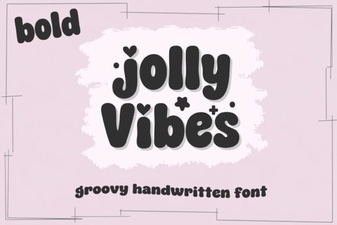 Creative Designs with Jolly Vibes Bold Font
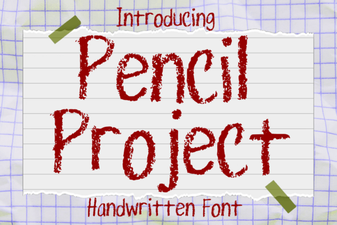 Design Your Website with the Pencil Project Font
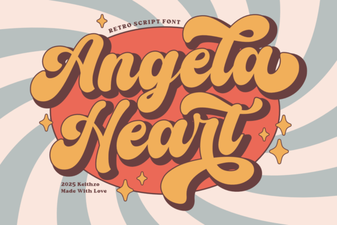 Angela Heart Fonts for Creative Designs & Craft Projects
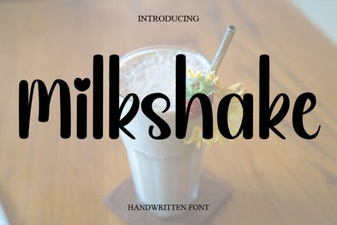 Milkshake Font Designs for Creative Typography
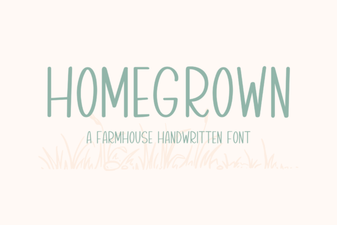 Craft Your Own Font: a Homegrown Design Project
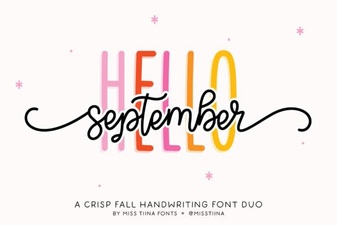 Hello September Duo Font: Design Ideas & Tips