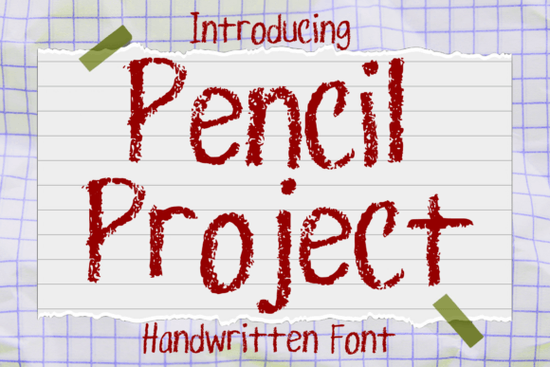
If you need a typeface that looks like it was sketched by hand, Pencil Project Font gives you that authentic, slightly rough texture without scanning your own notes. The strokes mimic real pencil, graphite, crayon, and chalkboard marks, making it a reliable choice for t‑shirts, book covers, packaging, greeting cards, stickers, and posters. Instead of spending hours adjusting vector paths to look organic, you can type your message and let the built‑in texture handle the details.
What makes this handwritten style work for casual designs?
Handwritten fonts often fail when they look too uniform. This typeface avoids that trap by keeping slight variations in stroke weight and edge roughness. The result feels approachable, which is exactly what crafters and print‑on‑demand sellers want for a relaxed vibe. The letters stay readable even at smaller sizes, so your quotes or brand names remain clear on mugs, tote bags, and notebooks. The texture also prints cleanly on light and dark backgrounds when you adjust the contrast.
Where does a textured font fit best in your projects?
Not every layout needs a clean sans‑serif. When your goal is warmth or a handmade feel, a graphite‑style typeface steps in naturally. Here are a few reliable use cases:
- Apparel: Short phrases on shirts and canvas bags where a casual tone matches the product.
- Packaging: Artisan jars, candle stickers, and small business mailers that need a personal touch.
- Stationery: Greeting cards, rustic invites, classroom posters, and planner covers.
- Digital graphics: Social quotes, Etsy thumbnails, and blog headers that need a quick handwritten accent.
If your brand leans into DIY, education, or family‑friendly products, this style keeps your visuals relatable.
How do you pair it with other typefaces?
Texture‑heavy fonts work best alongside clean, structured lettering. Use the handwritten style for headlines, then pair it with a simple sans‑serif for body text. This contrast prevents visual clutter. If you enjoy testing different moods, you might look at a playful summer script for seasonal themes, or try a softer romantic style when you need something delicate. For street‑art layouts, a bold display option balances the rough edges well. And for kids or nostalgic projects, a cartoon‑friendly set often complements this casual vibe.
What should you check before downloading?
Before adding any font to your toolkit, verify a few practical details. Confirm the file formats first. Most software supports OTF and TTF, but crafters using Cricut or Silhouette should test installation on their system. Review the licensing terms carefully, especially for commercial sales and client work. Always test the font at different sizes on actual mockups, since textured letters can lose detail when scaled down. You can also browse the dedicated category page to compare styles and see how other creators format their layouts. For full previews and licensing, visit Pencil Project Font on the marketplace.
How do you get the most out of a chalkboard‑style typeface?
Textured fonts respond well to simple adjustments. Try these quick tweaks:
- Increase letter spacing slightly if words feel tight at larger sizes.
- Use solid backgrounds or subtle paper textures instead of busy patterns.
- Stick to one or two accent colors so the handwritten feel stays focused.
- Export print files at 300 DPI and check how the graphite effect translates to your material.
When you keep surrounding elements clean, the font adds a relaxed touch without overwhelming your message.
Quick next steps before you start designing:
- Install the files and restart your design software.
- Type sample phrases at 12pt, 24pt, and 48pt to verify readability.
- Match your license to your intended sales channel.
- Create one product mockup to test contrast and texture retention.
- Save your spacing settings and font pairings for future projects.
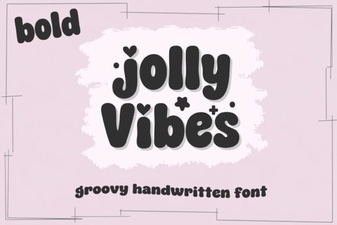 Creative Designs with Jolly Vibes Bold Font
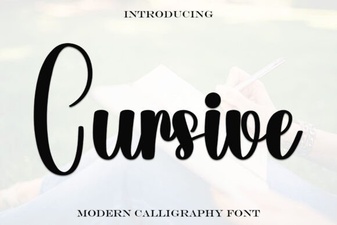 Elevate Your Design with Elegant Cursive Fonts
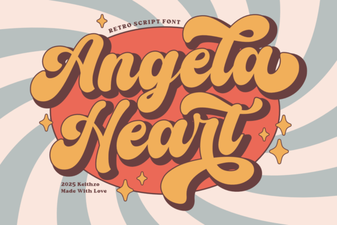 Angela Heart Fonts for Creative Designs & Craft Projects
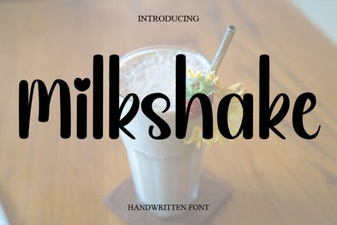 Milkshake Font Designs for Creative Typography
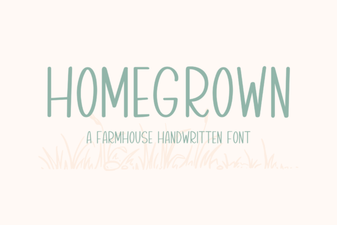 Craft Your Own Font: a Homegrown Design Project
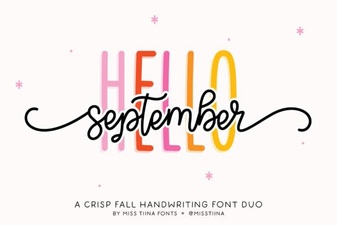 Hello September Duo Font: Design Ideas & Tips