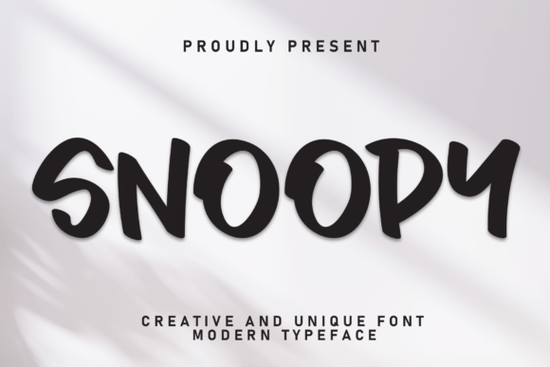
If you need a typeface that feels warm, personal, and playful, Snoopy Font delivers exactly that. This handwritten display style brings a friendly vibe to layouts without feeling overly decorative. Designers, crafters, and small shop owners often choose casual scripts like this when they want their work to feel approachable. Whether you are laying out wedding stationery, designing greeting cards, or creating printable wall art, the soft curves and natural letter rhythm give your projects an instant handmade touch.
What makes this handwritten style work for craft projects?
Handwritten typefaces succeed when they balance personality with readability. The charm here comes from slightly uneven baselines and rounded forms that mimic real pen strokes. That organic feel helps digital designs look less rigid. If you enjoy working with script styles that keep things light, you might also appreciate how a flowing romantic script can soften formal layouts, or how a clean handwritten alternative adds structure to casual branding. The goal is always to match the mood of your message without overwhelming the design.
Where does a playful display font fit best?
Not every project needs a serious typeface. Some designs thrive on extra character, especially when you want to create a welcoming feeling. This style works particularly well for:
- Wedding and shower invitations that need a warm tone
- Greeting cards, gift tags, and party favors
- Print-on-demand products like mugs, totes, and nursery prints
- Social media graphics and small business packaging
When you pair a lighthearted font with simple graphics or white space, the letters become the focal point. If you are experimenting with layout, a cheerful duo style can help you test how different weights interact on the page. Remember that less is often more when working with decorative lettering.
How do you pair a fun script with other typefaces?
Mixing fonts is straightforward if you follow a few basic rules. Let the display font handle headlines, short phrases, or names, while a clean sans-serif or simple serif covers longer paragraphs. Keep the size difference obvious, stick to two typefaces per layout, and match the overall mood. A casual script pairs nicely with a geometric font for shop banners or product labels. You can also explore a seasonal lettering combination to see how contrasting styles create hierarchy, or try a sketch-inspired alternative for a rustic finish. Consistent spacing keeps everything looking polished.
What should you check before using a font for commercial sales?
Licensing and file compatibility matter just as much as aesthetics. Before adding any typeface to a client project or shop listing, verify that the license covers your intended use. Make sure the download includes the formats your software requires, typically OTF or TTF, and check for multilingual support or alternate glyphs. Testing the font at different sizes is also essential. Some handwritten styles lose clarity when scaled down, so print a sample sheet or preview it on screen at your target dimensions. Keeping an organized library and noting license terms prevents accidental misuse later.
Before you start your next design, run through this quick checklist:
- Confirm the license matches your project type
- Install the correct file format for your software
- Test readability at both small and large sizes
- Pair the script with a neutral body font
- Adjust tracking if the default spacing feels tight
Save a few layout templates with your favorite combinations, and you will spend less time searching for typefaces and more time finishing projects that actually sell.
Learn More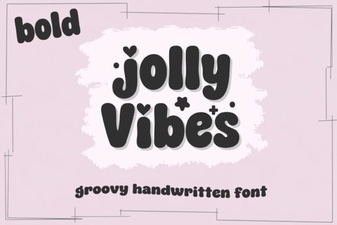 Creative Designs with Jolly Vibes Bold Font
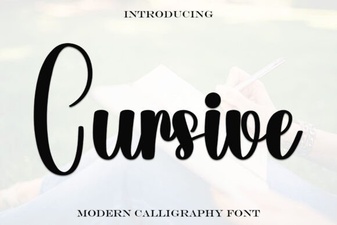 Elevate Your Design with Elegant Cursive Fonts
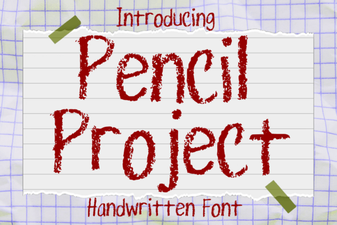 Design Your Website with the Pencil Project Font
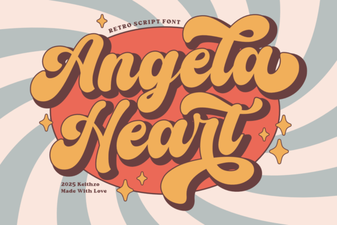 Angela Heart Fonts for Creative Designs & Craft Projects
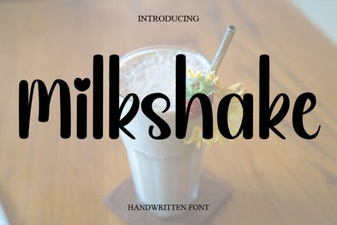 Milkshake Font Designs for Creative Typography
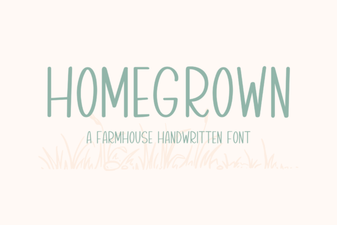 Craft Your Own Font: a Homegrown Design Project