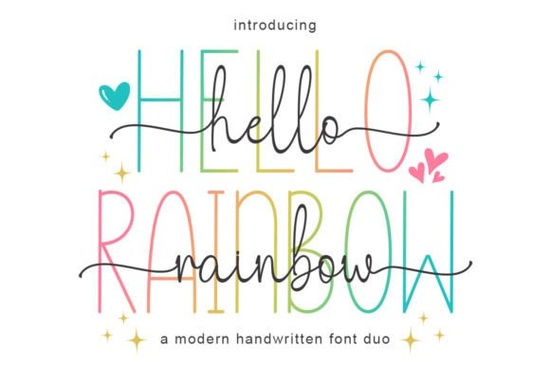
If you need a typeface that pairs a clean sans serif with a flowing script without the guesswork, Hello Rainbow Duo Font handles that balance for you. Designed for makers, print-on-demand sellers, and small business owners, this duo font saves time by giving you two complementary styles in one download. The sans serif keeps headlines readable, while the script adds a soft, romantic feel to quotes and short accents. Because both styles are built to work together, you spend less time testing pairings and more time finishing your project.
What makes a duo font work for everyday design projects?
Duo fonts succeed when the two styles share similar proportions. The straightforward sans serif grounds the layout, and the hand-drawn script provides movement without overwhelming the page. That contrast is especially useful for wedding invitations, boutique logos, or product labels. If you usually browse through a collection of cursive styles to find something that matches your base text, a pre-paired duo removes that extra step. You can also explore how other designers combine handwritten elements with clean letters by looking at a signature script bundle for layout ideas.
The real advantage comes from consistency. When the x-height and stroke contrast are calibrated across both fonts, your titles line up naturally. This means fewer manual adjustments in your design software and cleaner exports. For seasonal releases, you might compare it to a similar duo font to see which mood fits your brand voice better. The goal is always clear hierarchy and readable text.
How do I install and access the special characters?
The font includes PUA encoding, so every alternate glyph and ligature is accessible without software workarounds. After installing the files on Windows or Mac, open the glyph panel in Illustrator, Photoshop, or Canva. Click the swash you want, and it drops straight into your text box. This setup is particularly helpful for crafters who cut vinyl, since unexpected character substitutions can ruin a weeding process.
Keep these quick steps in mind when setting up your workspace:
- Install both font files before opening your design program.
- Restart the software if the typeface does not appear in the menu.
- Preview ligatures in the glyph panel before applying them.
- Test cut settings on a small sample before running a full batch.
If you prefer a more structured base for your layouts, review how a clean sans serif option handles spacing in comparison. Proper tracking makes a noticeable difference when scaling designs for large prints or small tags.
Which projects get the most value from this typeface?
This duo shines where readability and personality need to coexist. Greeting cards, shower invites, and boutique packaging benefit from smooth script accents paired with straightforward body text. Print-on-demand sellers often use the sans serif for product titles and the script for short taglines. Because the letterforms are well-spaced, the font holds up nicely on mugs and apparel mockups. You can also see how modern display treatments work alongside handwritten styles by checking an urban display font for contrast ideas.
For small business branding, consistency matters more than decoration. Use the sans serif for contact details and pricing. Reserve the script for your business name or seasonal greetings. This hierarchy keeps materials professional while feeling approachable. Always review licensing before publishing. You can find current commercial details and file formats for Hello Rainbow Duo Font directly on the marketplace.
What should I check before adding a new font to my library?
Not every typeface fits every workflow, so a quick review saves time later. Confirm the file formats match your software, since most designers need OTF or TTF for desktop use. Test the font at different sizes, as a script that looks beautiful at 72pt might lose clarity at 14pt on textured paper. Finally, verify the commercial license covers your intended sales channel.
Use this short checklist before finalizing your design:
- Confirm both files are installed and recognized by your software.
- Check glyph access through the character map or design panel.
- Print a test sheet at actual size to review spacing.
- Verify licensing matches your product type.
Keep your font library organized and test new typefaces on real materials before committing to a full run. Pick one small project today, apply the duo to a headline and subheading, and note how the pairing handles alignment and export quality. That quick test will show you exactly where this font belongs in your regular workflow.
Try It Free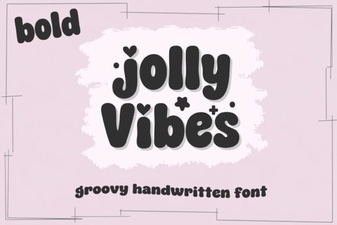 Creative Designs with Jolly Vibes Bold Font
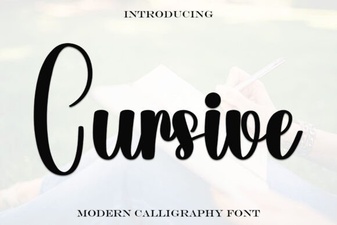 Elevate Your Design with Elegant Cursive Fonts
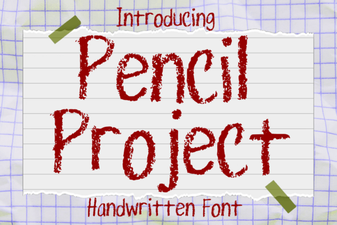 Design Your Website with the Pencil Project Font
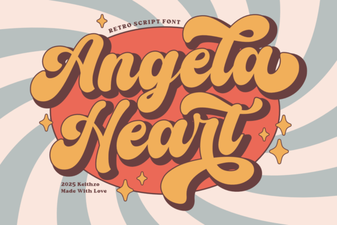 Angela Heart Fonts for Creative Designs & Craft Projects
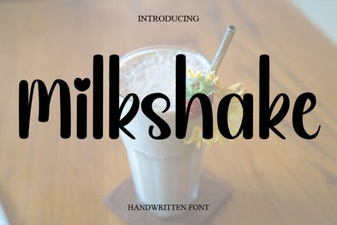 Milkshake Font Designs for Creative Typography
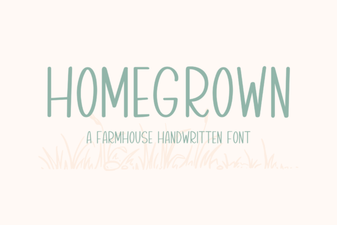 Craft Your Own Font: a Homegrown Design Project