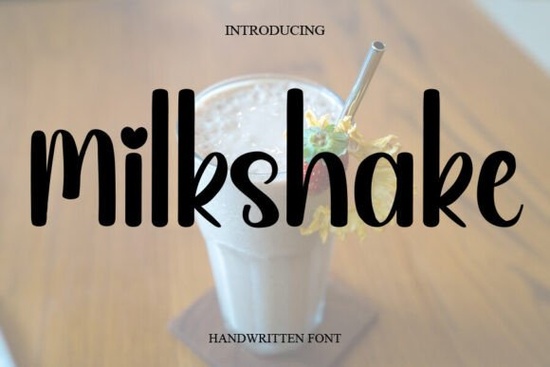
If you are looking for a typeface that feels approachable and unpolished in the best way, Milkshake Font delivers exactly that. It is a straightforward handwritten style that skips the overly decorative swirls and focuses on clean, readable letterforms. Designers, crafters, and small business owners often reach for this kind of casual script when they want their work to feel personal without sacrificing clarity. Whether you are laying out a quick greeting card, drafting a storefront sign, or creating print-on-demand quotes, this typeface keeps things light and natural.
What makes this handwritten style work for everyday projects?
The strength of a simple script lies in its restraint. Unlike heavily flourished calligraphy fonts that can become difficult to read at smaller sizes, this design maintains consistent stroke weights and open counters. That means your text stays legible on coffee mugs, tote bags, and mobile screens. The characters have a relaxed baseline and subtle variations that mimic real pen-on-paper writing, which helps your designs feel handcrafted rather than mass-produced. For print-on-demand sellers and Etsy shop owners, that authentic touch often translates to better customer engagement.
Where does a casual script fit best in your workflow?
You do not need to reserve handwritten typefaces for special occasions. This particular style slides easily into both commercial and personal workflows. Here are a few practical applications where it consistently performs well:
- Greeting cards and stationery: The clean lines print sharply on matte and textured cardstock.
- Social media quotes and overlays: High readability keeps viewers from scrolling past your message.
- Small business packaging: Add a personal thank-you note or ingredient label that stands out.
- Headlines and blog graphics: Use it for short titles while keeping body text in a neutral sans-serif.
If you enjoy mixing seasonal vibes into your branding, you might also explore how a relaxed script pairs with options like autumn-inspired duo collections for fall campaigns. The contrast between a structured companion font and a loose handwritten style creates visual hierarchy without clutter.
How do you pair it without creating visual clutter?
Pairing handwritten fonts comes down to balance. Since this typeface already carries a lot of personality, your supporting fonts should step back and let it breathe. A clean geometric sans-serif or a sturdy slab serif usually does the trick. Keep the script for headlines, short phrases, or accent words, and reserve the simpler typeface for paragraphs and fine print.
When you are building a brand kit, test your combinations at different sizes. What looks balanced on a desktop monitor might feel cramped on a phone screen. If you are working on rustic or farmhouse-themed products, you could also compare how this style interacts with earthy, craft-focused lettering to see which mood fits your audience better. For more modern or street-style branding, checking out contemporary urban typefaces might give you fresh layout ideas.
What should you know about glyphs, formatting, and file setup?
Most modern script fonts include alternate characters, ligatures, or multilingual support, and knowing how to access them saves time during production. If your design software supports OpenType features, you can usually toggle stylistic alternates directly in the glyph panel. Learning to navigate typeface character maps and glyph sets helps you swap out standard letters for more organic variations, which prevents repetitive shapes in longer words.
Before sending any design to print, outline your text or embed the font files according to your printer’s guidelines. This prevents substitution issues and keeps your spacing exactly as you intended. For digital products, always test the font weight on both light and dark backgrounds. Handwritten styles can sometimes lose definition on high-contrast screens, so a slight increase in letter spacing or a subtle drop shadow can restore clarity.
Is this the right choice for your next release?
Choosing a typeface ultimately depends on the message you want to convey. If your goal is to communicate warmth, simplicity, and a maker-friendly aesthetic, this handwritten option checks those boxes. It avoids the stiff formality of traditional scripts while staying professional enough for storefronts and client work. You can review the full character set, licensing details, and downloadable files on the Milkshake Font project page to confirm it aligns with your commercial needs.
For additional reference and to see how it compares with similar handwritten styles, you can also browse the official Milkshake Font listing. Checking the preview images and user notes often reveals practical tips about spacing, kerning, and best-use scenarios that you might not catch at first glance.
Quick pre-publish checklist
- Test your headline at 24pt, 48pt, and 72pt to confirm readability across devices.
- Turn on OpenType alternates to break up repeating letters in longer words.
- Pair with a neutral sans-serif for body copy and keep line height around 1.4–1.6.
- Export a print-ready PDF with outlined text to avoid font substitution at the shop.
- Verify your commercial license covers your intended use, especially for print-on-demand marketplaces.
Start by typing out your actual project copy instead of placeholder text. Real words reveal spacing quirks and pairing mismatches early, so you can adjust kerning or swap supporting fonts before finalizing your design.
Get Started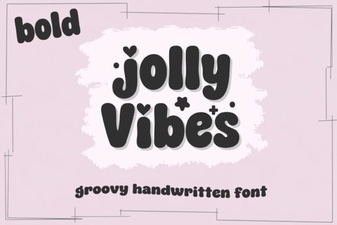 Creative Designs with Jolly Vibes Bold Font
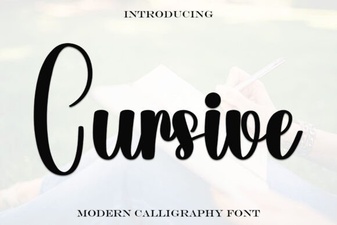 Elevate Your Design with Elegant Cursive Fonts
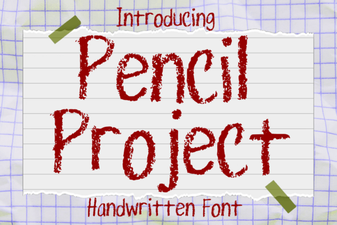 Design Your Website with the Pencil Project Font
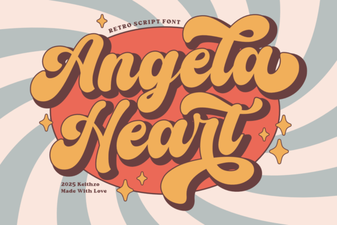 Angela Heart Fonts for Creative Designs & Craft Projects
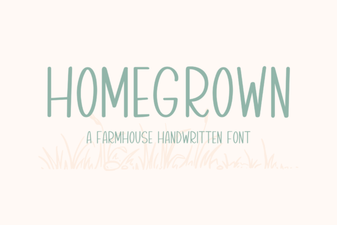 Craft Your Own Font: a Homegrown Design Project
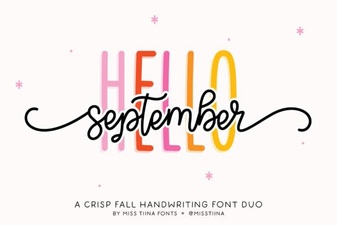 Hello September Duo Font: Design Ideas & Tips