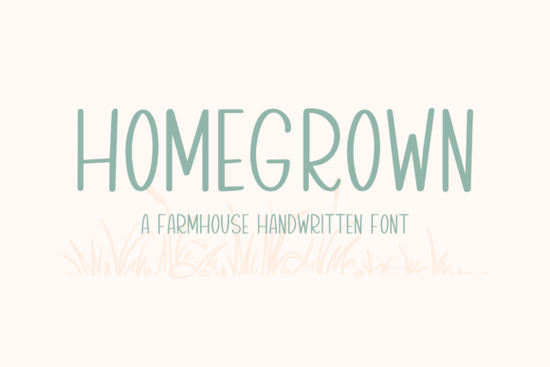
If you need a relaxed, handwritten typeface that feels like it was drawn with a favorite marker, Homegrown Font delivers exactly that. It is built around a casual farmhouse aesthetic, making it a reliable choice for rustic signs, personalized stationery, and small-batch craft projects. The letters feature a slightly uneven baseline and soft curves that mimic real pen strokes, which helps your layouts look handmade rather than factory-printed. Whether you run a print-on-demand shop, cut vinyl with a Cricut, or simply enjoy making greeting cards for friends, this script keeps your design warm and highly readable.
What makes this style work for everyday craft projects?
Handwritten fonts often struggle with legibility when scaled down, but this one keeps the x-height generous and the character spacing open. That means you can safely use it on coffee mug wraps, tote bag prints, or nursery wall art without worrying about crowded letters. The playful rhythm works especially well for short phrases, seasonal quotes, and single-line headings. If you need a typeface that feels approachable and deliberately unpolished, it fits right into modern farmhouse branding, boutique product labels, and pantry organization tags. Many small business owners also prefer it for wedding welcome boards and market stall signage because the casual strokes soften the overall layout without sacrificing clarity.
Which file formats and software does it support?
You will typically receive OTF and TTF files, along with web font versions if you plan to use the design on a simple storefront or portfolio site. Both desktop formats install directly on Windows and Mac systems, and they sync automatically with design programs like Illustrator, Photoshop, Canva, and Procreate. For cutting machine users, the font loads into Cricut Design Space and Silhouette Studio after a quick system restart. If you work with sublimation blanks or heat transfer vinyl, remember to mirror your text before sending it to the cutter. The clean vector outlines scale smoothly from small sticker sheets to large wooden signs, so you do not need to worry about pixelation or jagged edges when resizing your artwork.
How do I pair it with other typefaces?
A handwritten script looks best when balanced with a clean, straightforward companion. You can match it with a simple sans serif for body text, or try a lighter brush style when you want a softer contrast. If you enjoy experimenting with different moods, you might browse options like a delicate heart-themed script for romantic invitations, or test a rounded casual typeface for playful product labels. When you need something with a bit more structure, a thick retro brush font can anchor your layout while keeping the handmade feel. For projects that require clear readability at small sizes, a minimalist glyph style works nicely as supporting text, and a sketch-inspired lettering set adds subtle texture to background elements.
What should I check before cutting or printing?
Vinyl and cardstock react differently to intricate letterforms, so a few quick adjustments will save you time and material. First, increase the letter spacing slightly if you are cutting adhesive vinyl. This prevents the weeding tool from tearing thin connections between strokes. Second, test a small sample on your actual material before committing to a full production run. Paper weight, ink absorption, and blade pressure all change how the final piece looks. Third, keep your phrases short. Handwritten fonts carry more visual weight than standard serif or sans serif families, so three to five words per line usually reads best. Finally, verify your commercial license if you plan to sell finished goods. Most marketplace fonts allow small business use, but the exact terms can vary by creator and distribution platform.
You can preview the full character set and grab the latest version of Homegrown Font directly from the designer’s page.
Quick setup checklist for your next project
- Install the OTF or TTF file and restart your design software before typing
- Adjust tracking to +10 or +20 when preparing files for vinyl cutting
- Switch to a plain sans serif for secondary details like dates, websites, or ingredients
- Run a test cut on scrap material to verify blade depth and weeding ease
- Confirm your license covers physical products or digital downloads before listing items for sale
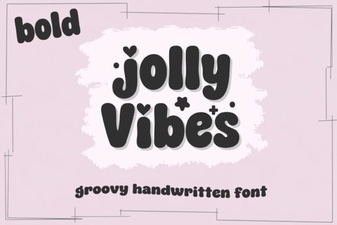 Creative Designs with Jolly Vibes Bold Font
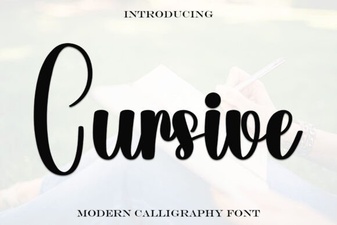 Elevate Your Design with Elegant Cursive Fonts
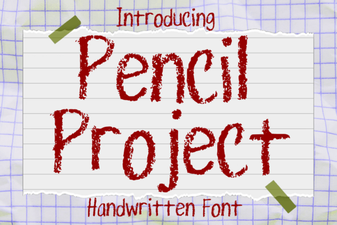 Design Your Website with the Pencil Project Font
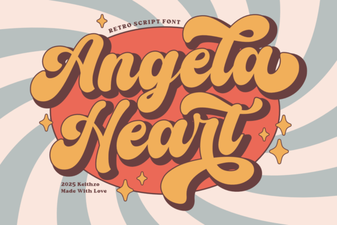 Angela Heart Fonts for Creative Designs & Craft Projects
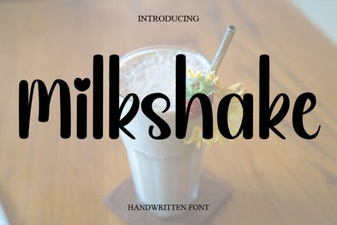 Milkshake Font Designs for Creative Typography
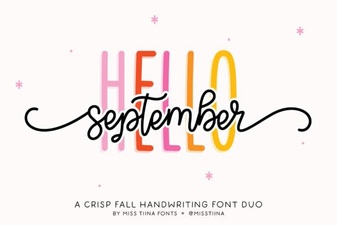 Hello September Duo Font: Design Ideas & Tips