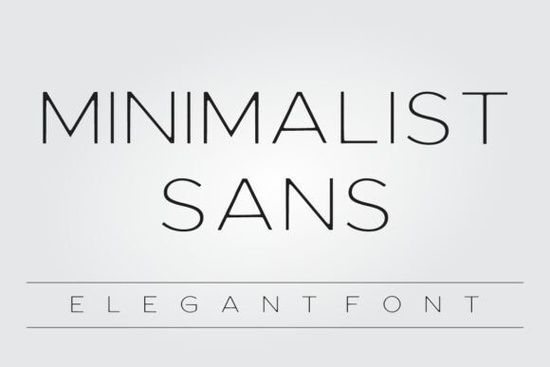
If you need a typeface that stays out of the way while keeping your message clear, Minimalist Sans Font delivers exactly that. It is a thin, straightforward display font with an informal feel, making it a reliable pick for designers, crafters, and small business owners who want a relaxed but polished look. The casual vibe works well when you are designing product packaging, wedding invitations, quote graphics, t-shirts, or simple brand logos. Instead of fighting for attention, the letterforms give your content room to breathe.
What makes this typeface work for everyday design projects?
Thin sans serif fonts often struggle with readability, but this one balances light strokes with open spacing. The result is a clean display that feels approachable rather than stiff. When you are laying out a poster or drafting a label for handmade goods, you want letters that print clearly at different sizes. The informal style keeps the tone friendly, which is especially useful for lifestyle brands, boutique shops, and print-on-demand sellers who rely on quick visual communication.
Here is why many creators keep it in their active font folder:
- Light weight structure: Keeps layouts airy without looking fragile on paper or screen.
- Neutral character shapes: Blends smoothly with photos, illustrations, and textured backgrounds.
- Consistent spacing: Reduces manual kerning adjustments when you are working on tight deadlines.
- Versatile casing: Works equally well in all caps for headers or sentence case for short descriptions.
Which products and print formats pair best with a clean sans serif?
You can drop this font into almost any creative workflow, but it really shines on items that benefit from a quiet, modern aesthetic. Think cosmetic labels, café menus, minimalist tote bags, and digital quote templates. If you run a small shop, the relaxed touch helps your branding feel consistent across packaging and social media graphics. When you are exploring other lettering styles for contrast, you might browse a collection of western-inspired sans serif options to see how different weights change the mood of a layout.
For creators who focus on clean typography, checking out a curated set of light sans serif typefaces can help you build a reliable font library. If your project needs a softer, slightly playful counterpart for accents, a rounded sans serif alternative often pairs nicely without cluttering the design.
How do I set up and use the font files without technical headaches?
Installing and working with new typefaces should never slow down your creative process. Most font packages include standard .OTF and .TTF files, which install directly on Windows and Mac with a double-click. Once activated, the font appears in Canva, Adobe Illustrator, Photoshop, Cricut Design Space, and Silhouette Studio. If you are cutting vinyl or heat transfer material for apparel, convert your text to outlines before sending the file to your cutter. This prevents missing glyph errors and keeps the thin strokes intact during weeding.
When working with thin display fonts, keep these practical settings in mind:
- Use a minimum size of 14pt for body text to maintain legibility on printed materials.
- Avoid heavy drop shadows or thick strokes, which can overwhelm the light weight.
- Test print on your actual paper or fabric before running a full batch.
- Save a branded template with the font pre-loaded to speed up future listings.
Should I pair it with other typefaces or keep it standalone?
A thin sans serif rarely needs a busy partner. In most cases, letting it stand alone creates the strongest visual impact. If you do want to add contrast, pair it with a sturdy serif for headings or a handwritten script for small accents. Keep the hierarchy simple: one font for the main message, one for supporting details. You can explore how other creators approach typography pairing by searching for Minimalist Sans Font to see real project examples and licensing details.
Remember that white space is just as important as the letters themselves. Give your text breathing room, align carefully, and let the informal style do the heavy lifting. This approach works especially well for Instagram quotes, Etsy shop banners, and clean product photography overlays.
Quick next steps before you publish or print:
- Install both .OTF and .TTF files and restart your design software.
- Set tracking to +10 or +20 for all-caps headers to improve readability.
- Export a test PDF at 100% scale and check thin strokes under normal lighting.
- Verify your commercial license covers your intended sales channel.
- Save a master file with linked fonts so future edits take seconds, not minutes.
Keep your layout simple, trust the clean lines, and let the typeface support your message instead of competing with it.
Try It Free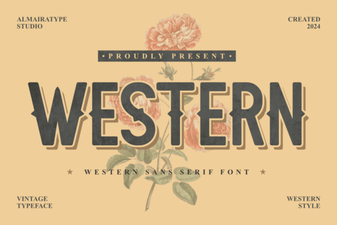 Western Font Ideas for Authentic Project Designs
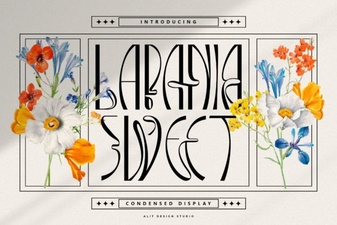 The Perfect Font for Sweet & Creative Branding
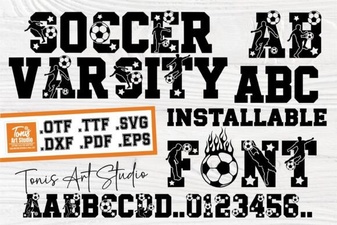 Ab Soccer Font: Design & Diy Jersey Ideas
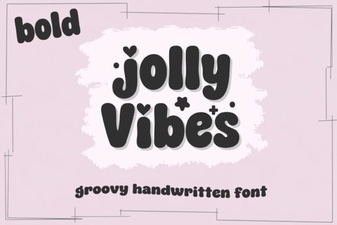 Creative Designs with Jolly Vibes Bold Font
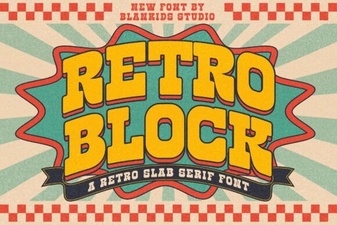 Retro Block Fonts for Creative Design Projects
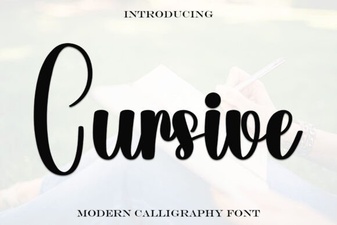 Elevate Your Design with Elegant Cursive Fonts