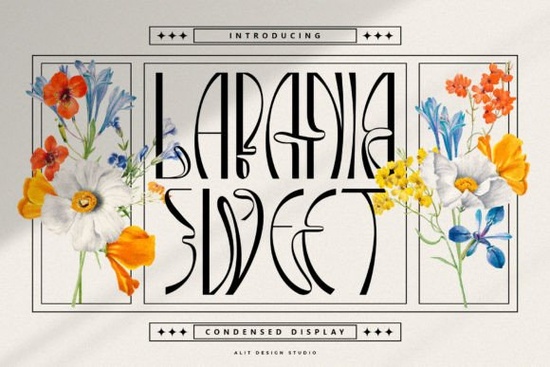
If you need a typeface that feels modern yet softly handcrafted, the Lapania Sweet Font delivers that balance. It is a contemporary sans serif built with ribbon-like curves that give each letter a gentle, bohemian rhythm. Instead of rigid geometric shapes, you get fluid strokes that move naturally across the page. This makes it a practical choice for designers, print-on-demand sellers, and small business owners who want approachable branding without losing professional polish.
What makes this typeface different from standard sans serifs?
Most sans serif fonts rely on strict uniformity, but this one leans into organic variation. The alternative curves act like subtle swashes, adding personality to headlines without overwhelming the reader. You will notice how the letterforms maintain clean readability while introducing a relaxed vibe. That combination works especially well when you need a design to feel warm rather than corporate.
The font includes carefully drawn alternates that let you adjust the mood of your text. Turn them on for wedding stationery or social quotes, and switch them off for straightforward layouts. If you typically browse through clean minimalist sans options for your projects, you will appreciate how this typeface keeps the simplicity you need while adding just enough character to stand out.
Where does it work best in real projects?
Because the strokes are fluid but not overly decorative, the typeface adapts to several common creative workflows. Here is where it tends to perform best:
- Brand logos & wordmarks: The curved terminals give business names a friendly, boutique feel.
- Wedding & event invitations: Boho-themed suites benefit from the soft rhythm without sacrificing legibility.
- Print-on-demand merchandise: T-shirts, tote bags, and mugs look polished when the text has natural movement.
- Website headers & social graphics: Short headlines catch attention quickly, especially when paired with ample white space.
Keep in mind that highly decorative fonts often struggle in long paragraphs. Use it for titles, subheadings, quotes, and short calls to action. For body copy, stick to a neutral reading font to maintain comfort on screens and in print.
How do you pair it with other typefaces?
Pairing is straightforward when you let the curves do the talking. Match it with a quiet, highly readable sans serif or a classic transitional serif. The contrast keeps your layout balanced and prevents visual competition. If your project leans toward a rustic aesthetic, you might also explore rustic western style lettering to create a layered hierarchy. Just remember to limit your palette to two or three fonts maximum. When setting up your files, test the pairing at different sizes. What looks harmonious at 72px might feel heavy at 24px. Adjust tracking slightly if the curves begin to touch, and give the headlines breathing room. White space allows those ribbon-like details to shine.
What should you know before downloading?
Font files usually come in OTF and TTF formats, which work across Windows, Mac, and most design software. Check whether your preferred program supports OpenType features, since that is how you will access the alternative curves. Applications like Adobe Illustrator, Photoshop, Affinity Designer, and Canva handle these files without trouble.
Licensing is another practical detail. If you plan to sell physical products, digital templates, or client work, verify the commercial license terms before publishing. Most marketplace licenses cover standard commercial use, but print-on-demand platforms sometimes require extended permissions. You can preview the family and check current licensing details through the full Lapania Sweet collection page. For a quick reference on how it compares to other modern typefaces, you can also search for Lapania Sweet Font directly on the marketplace.
Quick setup checklist before you start designing
- Install both OTF and TTF files, then restart your design software to ensure the font registers correctly.
- Open the glyph panel or character map to locate alternative curves and stylistic alternates.
- Test headlines at 100% scale and print a draft copy to check curve spacing on paper.
- Pair with a neutral body font and keep line height generous for comfortable reading.
- Review the commercial license to confirm coverage for your specific sales channel or client project.
Start with a single headline, adjust the tracking until the curves breathe, and save your text style as a preset. This small habit keeps your branding consistent and speeds up future layouts.
Learn More Minimalist Sans Fonts for Clean Design Projects
 Western Font Ideas for Authentic Project Designs
 Ab Soccer Font: Design & Diy Jersey Ideas
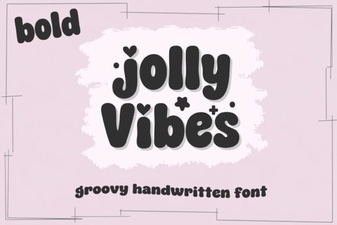 Creative Designs with Jolly Vibes Bold Font
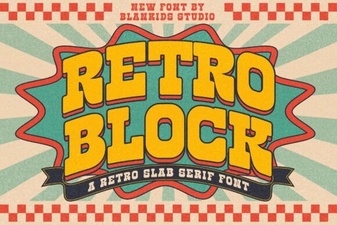 Retro Block Fonts for Creative Design Projects
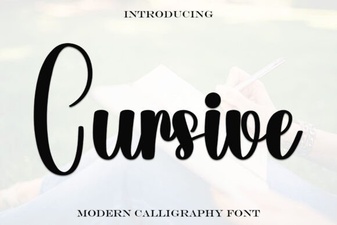 Elevate Your Design with Elegant Cursive Fonts